Crown Thinning & Cleaning
Selective removal of crowded, crossing and dead branches so light and air move through the canopy. The tree keeps its natural shape and sheds less in storms.

Tree Trimming & Pruning · Since 1989
Maintaining your trees is essential to the preservation of their health. The most effective method is trimming and pruning. However, it is important that you consider hiring a specialist to help ensure the job is done correctly and safely. Our tree cutting and tree trimming services are your go-to solutions for maintaining and lengthening the life of your trees, or just tidying them up!
Free estimate
Keep the tree, lose the risk
Tree removal takes a tree out of the picture for good. Trimming does the opposite: it keeps a healthy tree standing for decades by taking away only what is hurting it. Every job starts with a walk-around to decide which of these approaches your tree actually needs.
Selective removal of crowded, crossing and dead branches so light and air move through the canopy. The tree keeps its natural shape and sheds less in storms.
Young and middle-aged trees are shaped for a strong central leader and well-spaced limbs, preventing the weak crotches and included bark that lead to failures later.
Limbs lifted off roofs, driveways, service lines and sightlines, and over-extended branches reduced back to a lateral – never topped – so regrowth is healthy.
Healthier trees, safer property
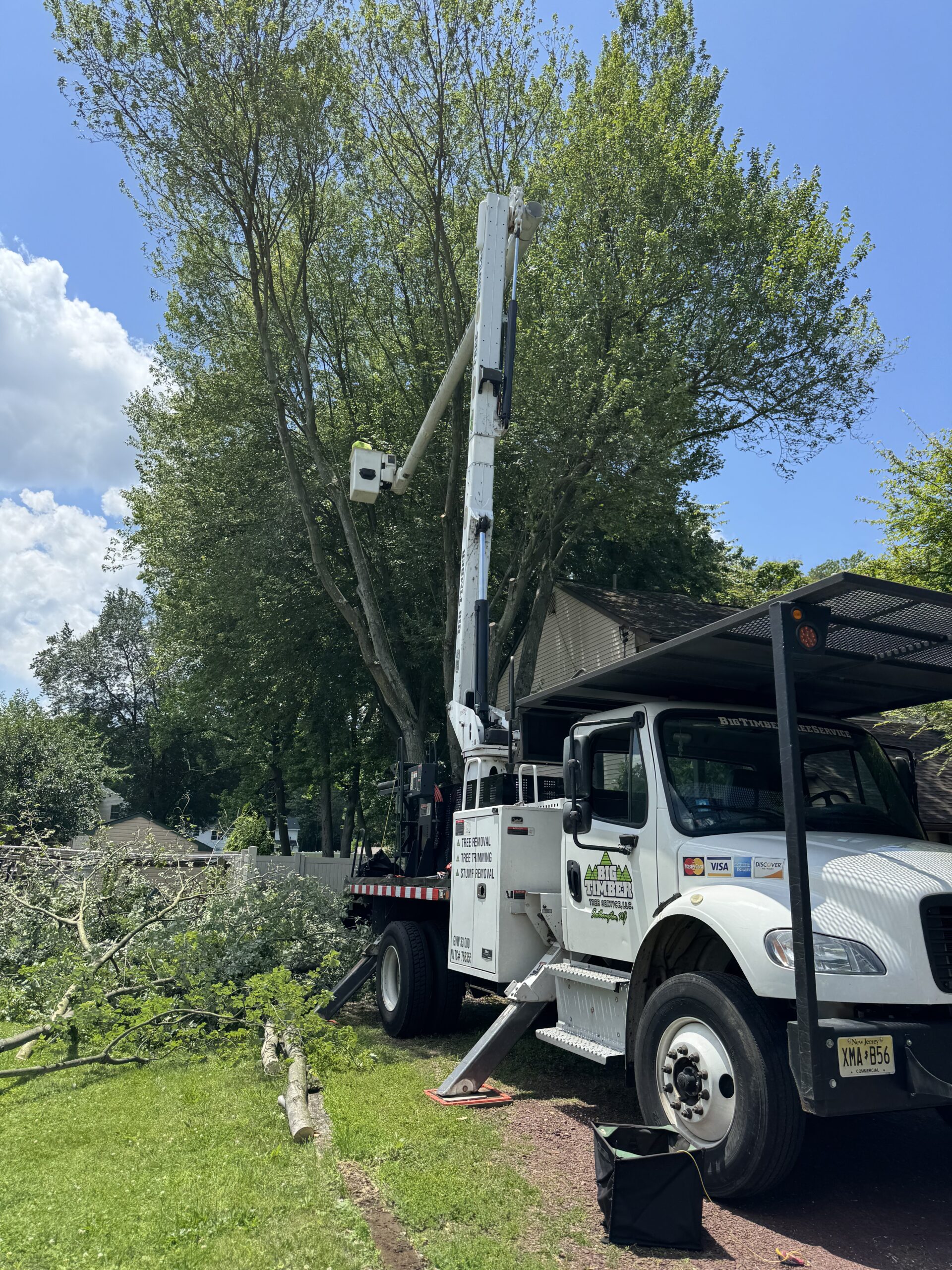
A tree that is trimmed every few years grows stronger wood, not just more of it. Removing dead and rubbing limbs stops decay before it reaches the trunk, thinning the crown lets wind pass through instead of pushing on a solid sail, and lifting low branches keeps roofs, gutters and siding dry and clear of debris.
Well-kept trees also do real work for your home: shade that lowers summer cooling bills, screening from the street, and curb appeal that shows up in appraisals. Neglected trees do the opposite – they drop limbs in the first nor’easter and turn into a call for emergency tree removal at the worst possible time.
Timing and technique
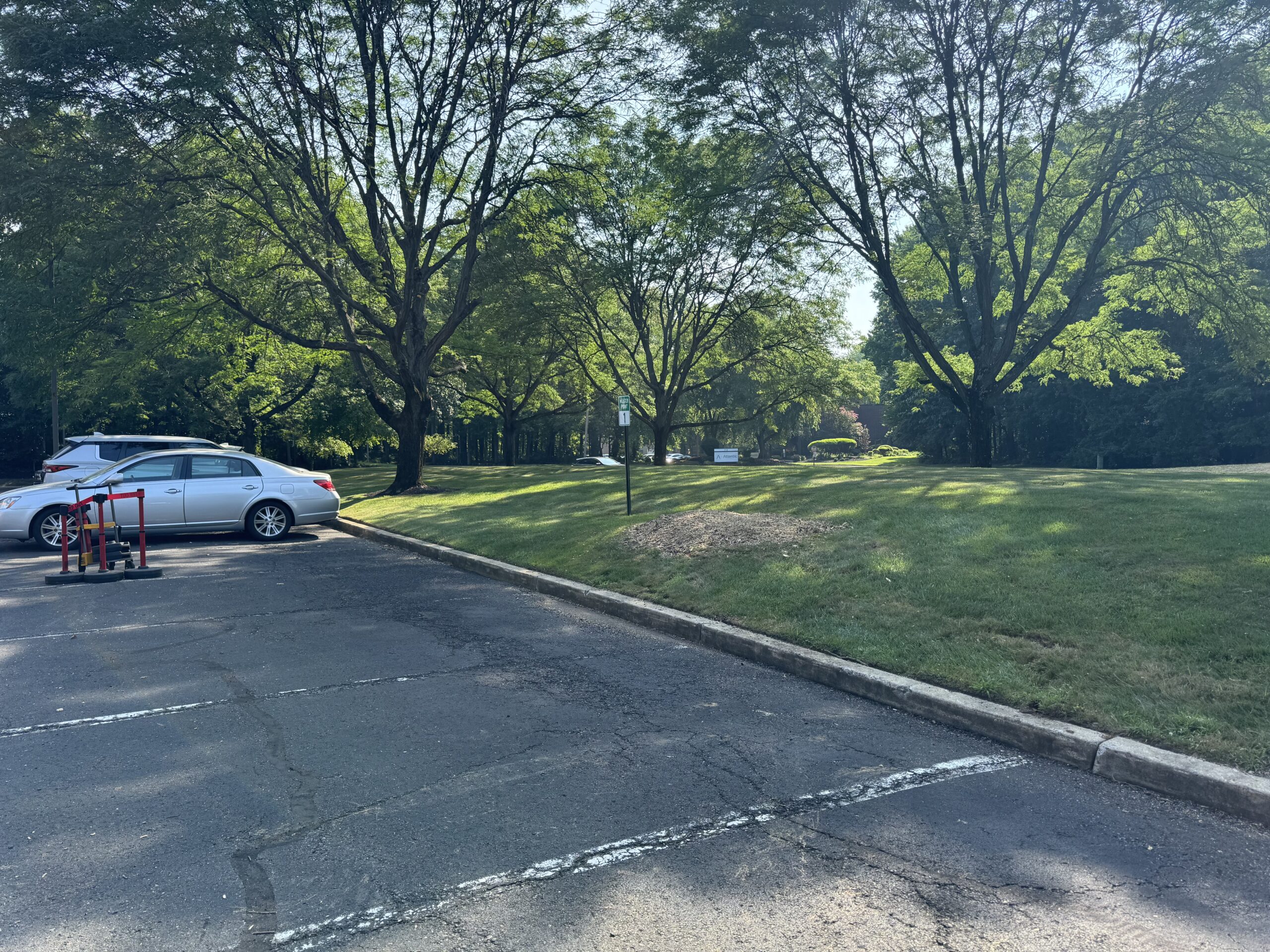
Where you cut matters as much as what you cut. Our climbers make each cut just outside the branch collar so the tree can seal the wound, and we never “top” a tree – lopping the crown back to stubs looks tidy for a season and then produces weak, fast-growing shoots that fail. Large branches are removed in sections and lowered on ropes, not dropped.
Timing follows the species. Most shade trees are best pruned while dormant in late winter, when structure is easy to see and disease pressure is low; oaks in particular should be pruned in dormancy to avoid oak wilt. Flowering ornamentals are trimmed right after they bloom, and dead or hazardous wood can be taken out any time of year.
Every cut is made by a crew led by a New Jersey Licensed Tree Expert.
Hire a tree service you can verify – see our state licenses and certifications.
Honest recommendations
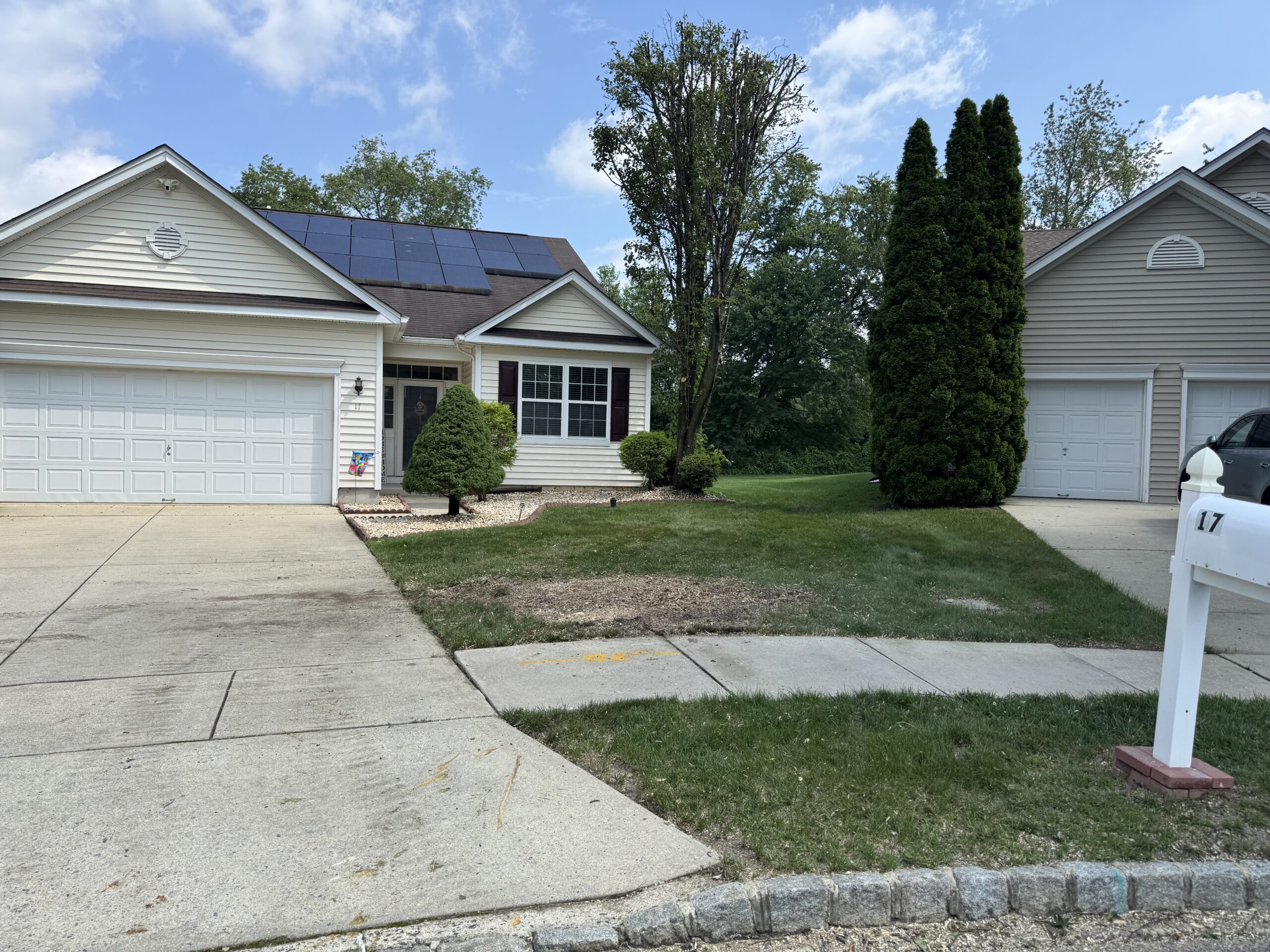
Because we are a tree company first, our default answer is to save the tree. Pruning, cabling and bracing can rescue more trees than most homeowners expect. But a trunk that is hollow or cracked, a lean that is getting worse, major root damage, or a canopy more than half dead is past what trimming can fix.
When that is the case we will say so plainly and quote a safe removal instead, with stump grinding as an option so you can replant the spot. Either way the estimate is free, written and itemized, and you will never be pushed toward work your tree does not need.