
Tree Removal Services in Laurel Springs, NJ
Tree Surgeon & Tree Removal Services in Laurel Springs, NJ
Laurel Springs is a borough in Camden, New Jersey, United States. Since 2010 the population has been roughly 2 thousand. Laurel Springs was incorporated as a borough by an act of new jersey legislation on April 2, 1913, from portions clementon Township based on the results of a referendum held on May 1, 1913.The borough was named for its therapeutic springs situated in laurel groves. Today the area of Laurel Springs can be known for its condensed population. Within this condensed population, there are thousands of trees. These trees can be dead, or overgrown around your home and potentially cause harm to your properties.
To preserve the beauty of your Laurel Springs, NJ property, it is vital to ensure that dead and decaying trees are removed and that there is sufficient space and sunlight for other plants and trees to grow. Trees that are dying or already dead can pose an huge risk to any homes or structures within their falling distance. Additionally, these decaying trees will often attract pests and termites. Don’t risk bringing a termite infestation near your Laurel Springs home or property!
We at Big Timber Tree Service LLC are the best choice for any tree removal task in Laurel Springs, NJ. With over 30 years of experience, our Laurel Springs tree removal specialists are trained and licensed to handle the job both safely and efficiently! Contact our professional tree surgeons today so we can get started on not only improving the look of your Laurel Springs property, but making it safer for everyone involved!
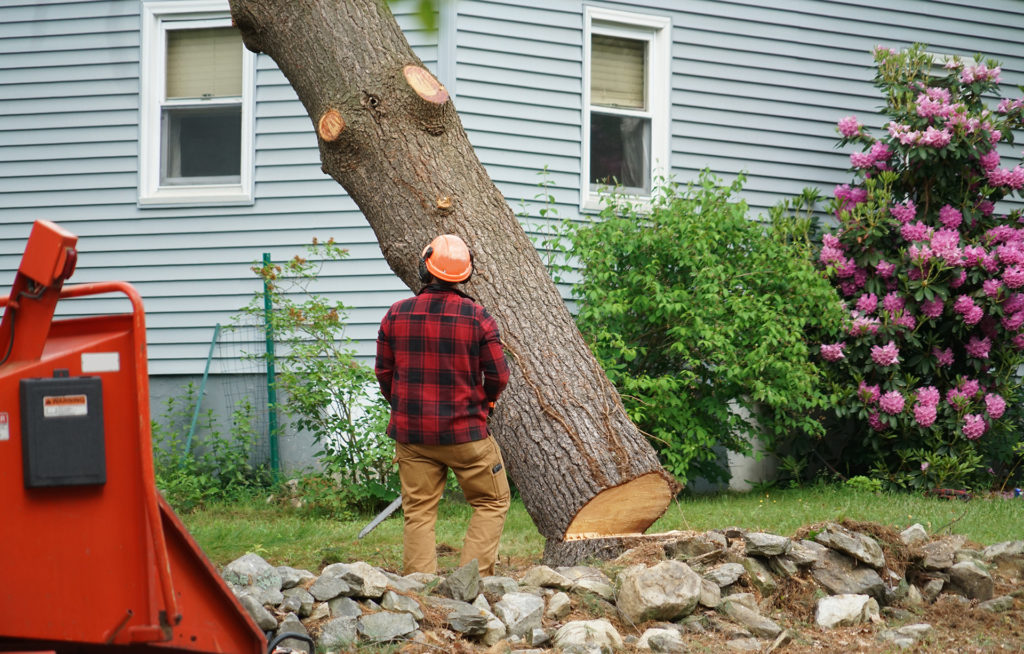
Contact us today to schedule service or request an estimate!
Call Today For Free Estimate!
(856) 288-1793
Interested in Tree Trimming?
Click here!
Tree Removal & Tree Cutting Services
There’s Nothing We Can’t Handle!


Laurel Springs, NJ Tree Cutting & Tree Removal Services
Don’t let any decaying trees on your Laurel Springs property go ignored. Removing these trees will be beneficial not only to the health of other trees, plants, and wildlife, but your safety as well. With any dead trees and branches comes the risk of inflammability as the dead and dry tree matter would make it easier for a potential fire to spread through your Laurel Springs property. Don’t wait disaster strikes to take proper action; get in touch with our tree cutting pros at Big Timber today so we can clear your property of any tree hazards.
You can rest assured that our Laurel Springs tree cutting experts know exactly how handle the job professionally and safely! Our tree surgeons have been cutting and trimming trees in Laurel Springs for over 30 years! We are absolutely confident that you will fully satisfied with the quality tree cutting work our Laurel Springs tree surgeons will perform. Call today to schedule tree cutting service for your Laurel Springs, NJ property!

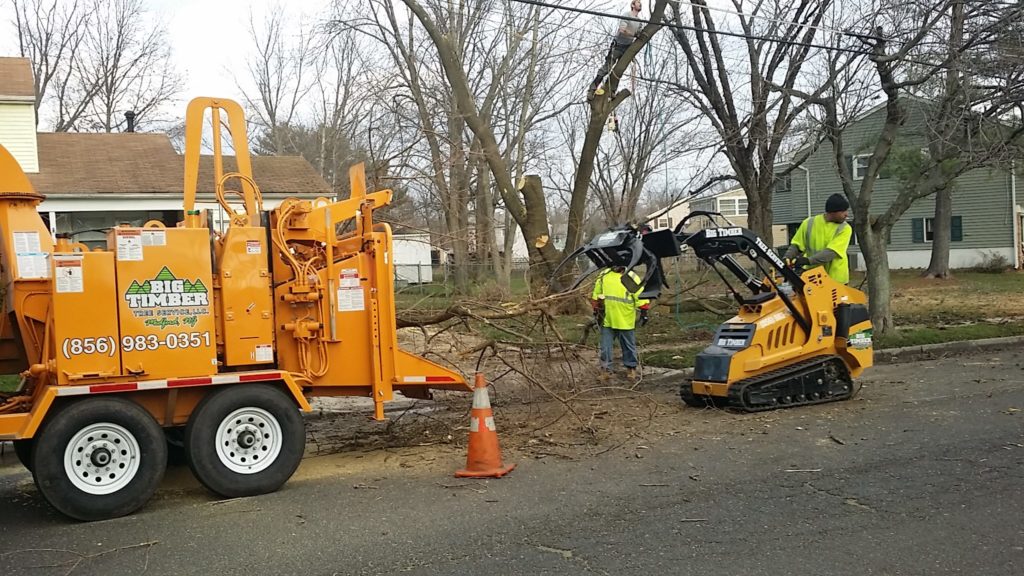
The Most Trusted Tree Removal Company in Laurel Springs, NJ
Our licensed and insured tree removal specialists have all the resources and know-how to remove any tree on your Laurel Springs, NJ property, whether it poses a safety risk or simply stands out as an eye-sore. We will handle any emergency tree removal promptly, while following every procedure to ensure the safety of our workers and clients. We guarantee that you, like all of our Laurel Springs, NJ clients will be pleased with how our tree removal experts will handle the job. We also make it a top-priority to provide all of our clients with exceptional customer service, so feel free to contact us today with any questions or to request a free estimate for tree removal services in Laurel Springs, NJ!

Make More Space in Your Laurel Springs Property with Our Tree Cutting Services
Our specialists are fully insured, licensed, and equipped to remove trees efficiently. With over 30 years of experience removing trees around Laurel Springs, Big Timber is go-to company for professional tree removal services.
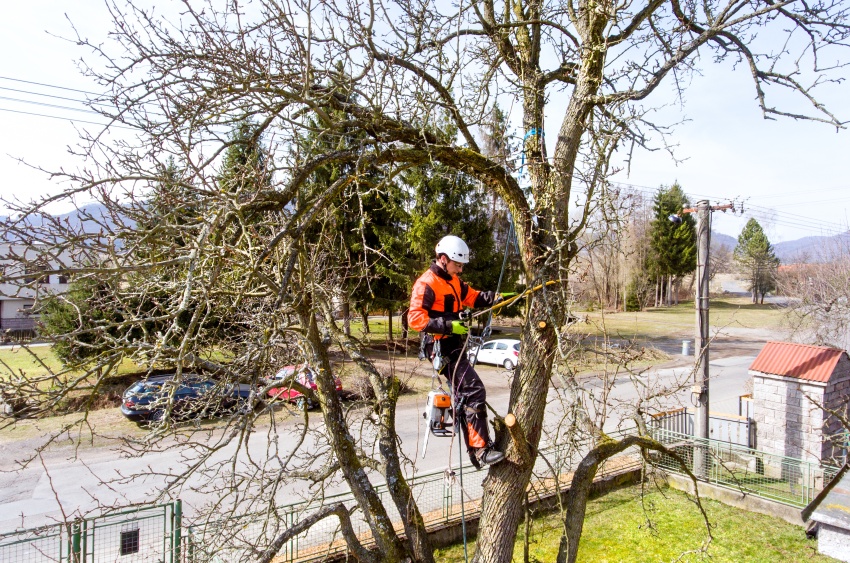
Laurel Springs, NJ Tree Surgeon Services
Are any trees on your Laurel Springs property causing problems? You can always rely on Big Timber to take care of them. Our tree surgeons provide exceptional tree care and tree removal services for all of our clients in Laurel Springs, NJ.

Tree Removal Services in Laurel Springs, NJ
Big Timber’s tree technicians are trained to handle tree removals efficiently and with the highest regard for safety. When it comes to tree removal services in Laurel Springs, the Big Timber team is just a call away!

Laurel Springs, NJ Emergency Tree Removal Services
We are always there when you need us most. If a storm passes through Laurel Springs and leaves you with a tree that needs to be removed, Big Timber has your back! Give us a call and our tree removal crew will be out there shortly!
Tree Service in Laurel Springs, NJ
Laurel Springs is half a square mile of Camden County that began as a resort town — people came for the mineral springs in the laurel groves, and Walt Whitman spent summers recuperating at the Stafford farmhouse here in the 1870s. What that history left behind is a compact borough of older houses on small lots with a mature canopy planted over them.
On lots this size, the trees you have are the trees you have. So rather than another page about taking them down, here are the two things that actually damage mature trees in South Jersey and what you can do about each.
Winter: Ice and Snow Load
South Jersey does not get many severe ice events, which is exactly why they do so much damage — trees here are not adapted to it and homeowners are not prepared for it.
The physics are worse than they look. A modest glaze of ice on a large tree adds hundreds of pounds distributed out along the branches, at the ends, where the tree has the least mechanical advantage. Add wind to a loaded canopy and limbs that would tolerate either alone come apart. Heavy wet snow does the same thing on a shorter timescale, and evergreens hold it rather than shedding it.
Do not knock the ice off
This is the single most common mistake, made with the best intentions, and it causes more breakage than the ice would have. Frozen wood is brittle. Striking, shaking, or prying at an ice-loaded branch snaps it — you will break limbs that would have survived if left alone.
Ice needs to melt off. It is genuinely hard to watch a tree bent double and do nothing, but doing nothing is correct. If a branch is going to fail under ice it has already been compromised, and the appropriate response is to stay out from under it and call us once things thaw.
Heavy wet snow is the one exception, and only where you can reach safely from the ground. Snow can be brushed gently upward off a branch with a broom, supporting rather than striking it. Never from a ladder, never overhead, and never if there is any ice in it.
The trees that fail in ice around here
Arborvitae and Leyland cypress
Multi-stemmed evergreens that catch and hold snow and ice across a huge surface area, then splay open from the centre. Once they have opened out they rarely recover their shape. Cabling can sometimes hold a specimen together, and a row planted as a screen tends to fail as a row.
Clumping and multi-stem birch
Beautiful, and among the first to bend to the ground. Birch will often stand back up after a light event and sometimes stays permanently bowed after a severe one.
Bradford pear
Predictably. The narrow branch unions that make it split in summer storms make it split under ice too. If you have one and it has not yet come apart, it will.
Upright junipers and columnar evergreens
Same problem as arborvitae — vertical stems bound together, spread open by load, unable to close back up.
Silver maple and elm
Long, brittle, horizontally extended limbs. Ice loads the far end where there is the most leverage and the least strength, and large limbs come off well out from the trunk.
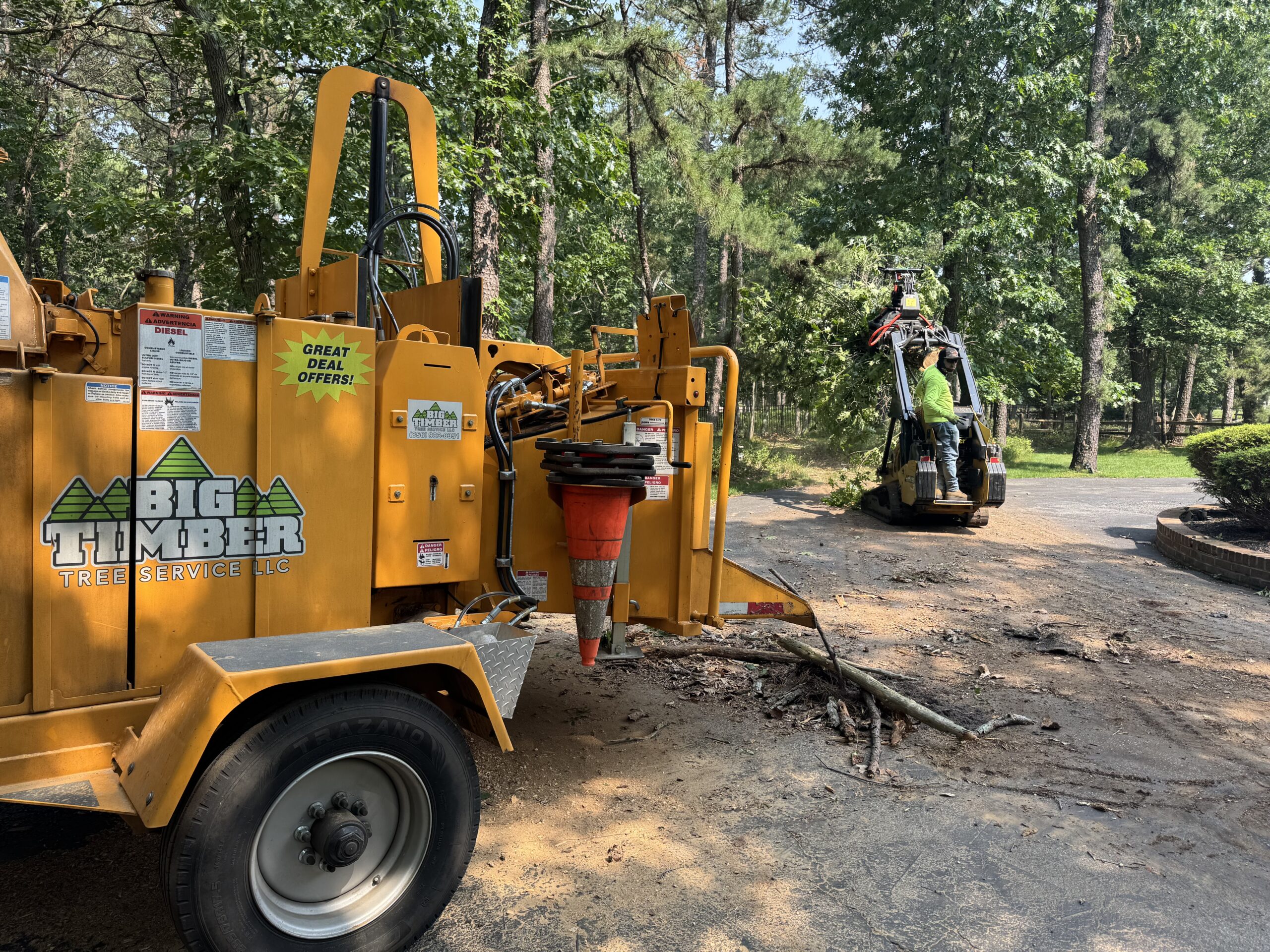
What Actually Helps, Done in Advance
Ice damage is not really preventable, but it is substantially reducible, and all of it is autumn work rather than January work.
Deadwood removal matters most — dead limbs are already brittle and they are what comes down first and lands hardest. Weight reduction on long horizontal leaders lowers the leverage ice can apply. Cabling a weak union or a splay-prone multi-stem evergreen holds it together through the load. And clearance off the roofline means that when something does come off, it lands on the lawn rather than the house.
Summer: Drought Is the Damage Nobody Notices
The opposite problem, and considerably more insidious, because it does not announce itself. A tree that goes through a genuine drought does not die that summer. It spends stored reserves surviving, and the decline shows up one to three years later as a thin crown, small leaves, and dieback that nobody connects to a dry spell two summers ago.
Mature trees on small borough lots are especially exposed. Their root zones sit under lawn, driveway, patio, and walkway, so far less rainfall reaches them than reaches a tree in open ground.
How to water a mature tree, properly
- Your lawn irrigation is not watering your trees. Sprinklers deliver frequent shallow water that wets the top inch or two — that suits grass and does almost nothing for a tree, whose absorbing roots are deeper and much further out.
- Water at the dripline, not the trunk. The absorbing roots are out where the canopy edge is and beyond, not against the base. Watering the trunk is watering the wrong place.
- Slow and deep, not fast and often. A hose on a trickle moved around the dripline over several hours, or a soaker hose left in a ring. The aim is water soaking down rather than running off.
- Roughly ten gallons per inch of trunk diameter, as a working rule of thumb, every week or two during a genuine dry spell. A twenty-inch oak is a lot of water — which is why a sprinkler cycle does not touch it.
- Mulch, correctly. A layer over the root zone holds moisture and moderates soil temperature. Not against the trunk — piled against the bark it holds moisture where you least want it and invites decay. Flat and wide, not a volcano.
- Newly planted trees need this for years, not one season. Two to three years of deliberate watering is the difference between a tree that establishes and one that struggles permanently.
Tree Removal in Laurel Springs, NJ
Large Tree Removal
Lots here are small and houses are close, so removals are section work — rigged and lowered rather than felled, with the drop zone controlled throughout. Where the street allows a bucket truck, that keeps equipment off the property entirely.
Dead Tree Removal
The emerald ash borer has worked through Camden County ash, and dead ash goes brittle from the top down. Two seasons standing dead makes it unsafe to climb, so it gets a bucket or a crane rather than a climber on spurs.
Storm-Damaged Trees
After an ice or wind event, the tree worth assessing is frequently the one still standing. A fresh crack at a major union is invisible from the ground and considerably more dangerous than a limb already down.
Emergency and Storm Damage Tree Service, 24 Hours a Day
Big Timber runs emergency tree service around the clock, seven days a week — which in an ice event means we are usually triaging rather than scheduling. Trees on houses and trees blocking access come first, and elective work slides.
If a tree or limb is on a structure, across a road, or into a wire, call (856) 288-1793 rather than filling out a form. Service drops to a house are routine work; a primary distribution line gets coordinated with the utility before anyone cuts. We photograph damage as we work and deal directly with insurance adjusters.
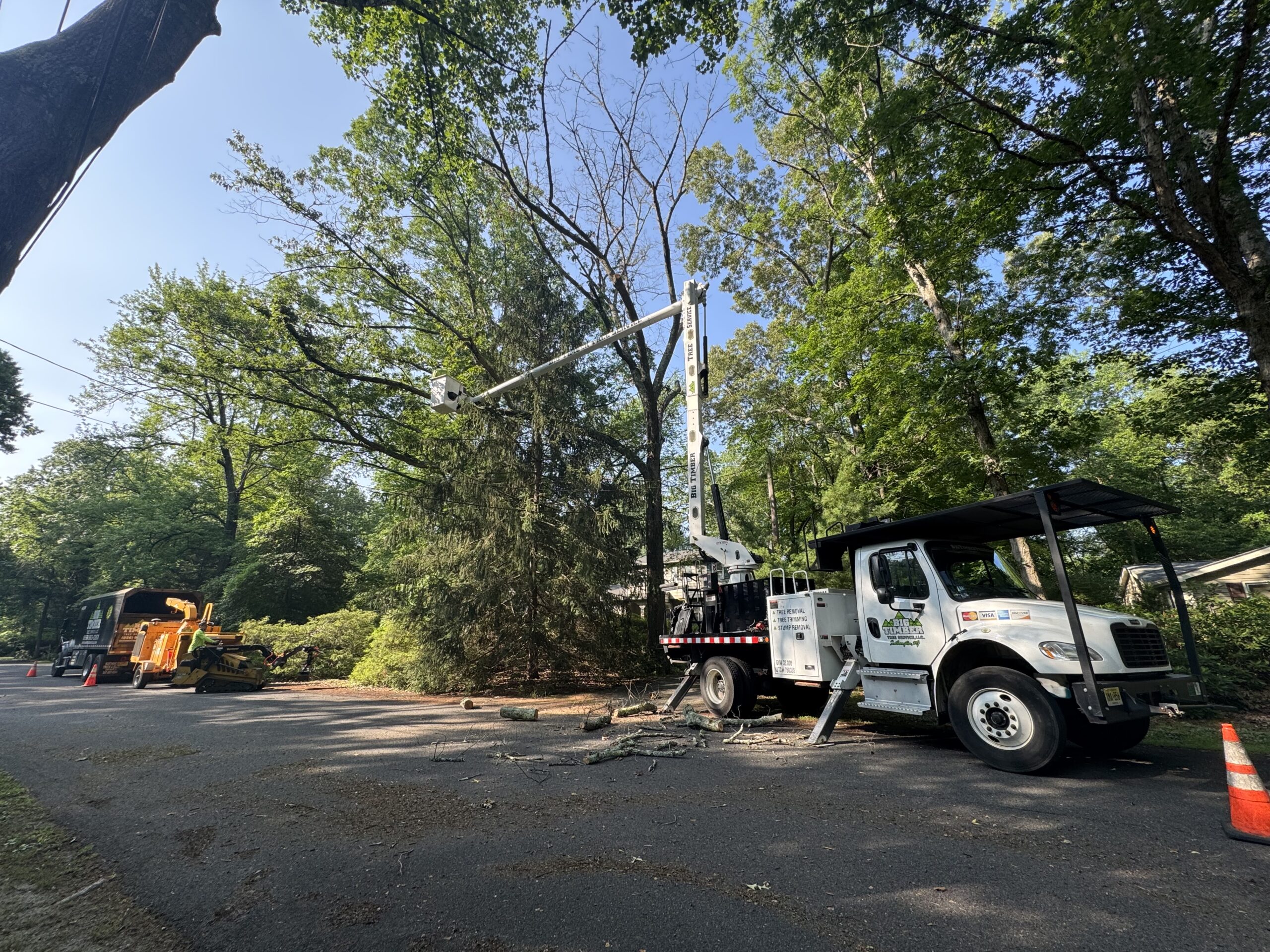
Tree Trimming and Pruning in Laurel Springs, NJ
Everything on this page comes back to pruning. Deadwood removal, weight reduction, clearance off rooflines, and cabling where a union or a multi-stem evergreen needs holding together are all the same service, and all of it is far cheaper than a removal or a roof repair.
Autumn through early spring is the right window — dormant, structure visible with the leaves off, firmer ground, and ahead of the winter load rather than after it. See our tree trimming service or the Laurel Springs tree trimming page.
Stump Grinding, Bamboo, and Firewood
Stump Grinding
Stump grinding four to six inches below grade, deeper if something is going back in. On a small borough lot grinding rather than excavation is the right call — the water service, sewer lateral, and walkways are all close to wherever the tree stood.
Running Bamboo
Present on plenty of older Camden County property lines and it never stays put. Rhizomes travel under fences, walks, and driveways, and cutting the canes accomplishes nothing — it has to be excavated. Our bamboo removal service handles it, and there is a Laurel Springs bamboo removal page as well.
Seasoned Firewood
Our removals produce a great deal of hardwood, seasoned and sold as delivered firewood — cut, split, stacked, and dried until it actually burns rather than green wood sold as seasoned. Order in autumn rather than December.
Tree Care Services in Laurel Springs, NJ
- Deadwood removal, weight reduction, and clearance pruning — the work that reduces ice damage
- Cabling and bracing for weak unions and multi-stem evergreens
- Tree removal and tree cutting — dead, hazardous, or beyond saving
- Emergency and storm damage response, 24 hours a day
- Stump grinding and stump removal
- Running bamboo removal
- Brush clearing and overgrowth removal
- Seasoned firewood delivery
We serve Laurel Springs and the surrounding Camden County boroughs, including Clementon, Stratford, Somerdale, Hi-Nella, and Lindenwold.
Laurel Springs Tree Questions
My tree is bent double under ice. Should I knock it off?
No. Frozen wood is brittle, and striking or shaking an ice-loaded branch breaks limbs that would otherwise have survived. Ice has to melt off. Stay out from under the tree and call once it has thawed. Heavy wet snow is the one exception, and only brushed gently upward from the ground where you can reach safely.
Which trees are most likely to fail in an ice storm?
Arborvitae, Leyland cypress, and upright junipers splay open from the centre and rarely recover their shape. Multi-stem birch bends to the ground. Bradford pear splits at its weak unions. Silver maple and elm shed large limbs well out from the trunk. If you have any of those close to the house, deadwood removal and weight reduction in autumn is money well spent.
Can anything be done in advance about ice damage?
Yes, and it is autumn work rather than winter work. Deadwood removal matters most, since dead limbs are already brittle and come down first. Weight reduction on long leaders lowers the leverage ice applies, cabling holds weak unions and splay-prone evergreens together, and roofline clearance means what does come off lands on the lawn.
Do I need to water a mature tree?
In a genuine dry spell, yes — and your lawn sprinklers are not doing it. They deliver frequent shallow water that suits grass. A mature tree needs slow deep watering at the dripline, roughly ten gallons per inch of trunk diameter every week or two. A twenty-inch oak is a considerable amount of water.
My tree looked fine last year and is thin this year. Why?
Drought damage frequently surfaces one to three years after the dry spell that caused it. The tree spends stored reserves surviving and then runs short. On a small lot where the root zone sits under lawn, paving, and walkways, far less rainfall reaches the tree than most people assume.
Licensed, Insured, and Happy to Tell You to Do Nothing
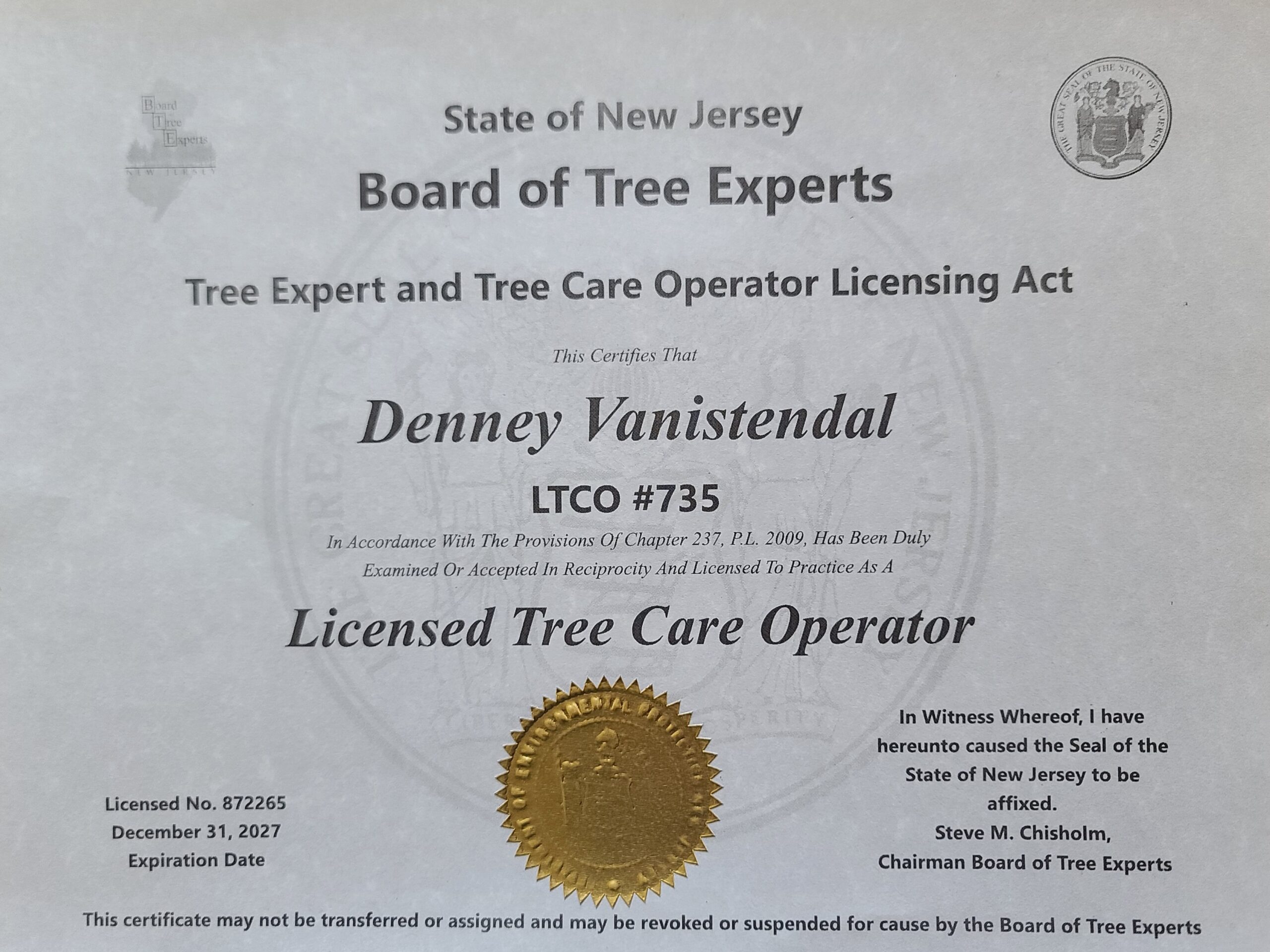
New Jersey law requires a Licensed Tree Care Operator registration for any company performing tree care for compensation. Big Timber holds LTCO 735, and our work is directed by a New Jersey Licensed Tree Expert — the state's highest tree-care credential, covering tree biology, identification, diagnosis of pests and disease, pruning standards, and safe removal.
Most of the advice on this page costs us work rather than earning it — leave the ice alone, water the tree, do not let anyone talk you into a removal in January because it looks bad under snow. That is the honest version, and it is what a Licensed Tree Expert is for. We also carry NJ Home Improvement Contractor License #13VH05439500, general liability, and workers' compensation, and we have worked South Jersey since 1989.
Free, no-obligation estimates on pruning and tree removal in Laurel Springs, NJ.
Call (856) 288-1793